Author: Romandawi Gapari N9931988
Introduction
The rise of social media affordances especially as a functional tool has affected the travel industry in many ways. Sharing of information using multiple social media platforms has transformed the travel industry from business-to-consumer marketing to peer-to-peer model (Miguéns, Baggio & Costa, 2008). Many consumers nowadays would initially rely on personal experiences rather than to consult with travel agents. People would also get inspired to travel just by scrolling through their favourite social media feeds. Technological alteration in the marketing sector regarding new media has deliberately reduced its administrative costs due to the hybridity of economy (Jashi, 2013). This media convergence since then influences the way in which the travel industry carries out their business structure and management, in the approach of an interconnected relations between companies, users and contributors.
Travel Inspiration
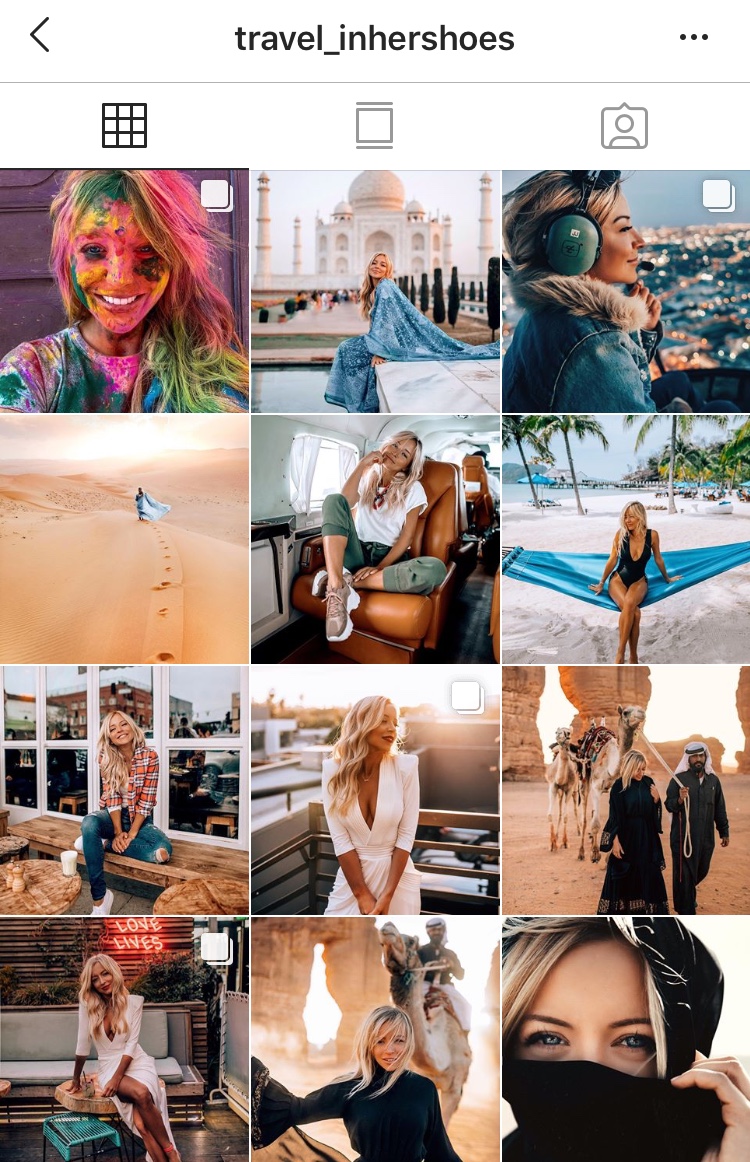
The growth of web 2.0 has impacted travellers journey, be it planning, seeking for recommendations from their friends or simply just being inspired by travel related media posts. Travellers may no longer rely on travel guidebooks instead they rely on online reviews as well as attaining travel inspiration in forms of vlogs or images posted by their peers on various media platforms.
According to Brown (n.d.), the authenticity of user-generated content has transformed both the travel buying process and post travel experience. To illustrate, as stated by the Social media and Tourism industry statistic (as cited in Jashi, 2013), about “40% of online travellers visit social networking sites to influence destination selection”. This shows how user-generated content has become a prevalent source of creativity for modern travellers and often influences the decision-making process to plan a trip predominantly among younger generations (Brown, n.d.).
We live in a mediapolis era where Deuze (2011) describes it as a comprehensive mediated public sphere where media reinforce and embrace experiences and expressions of everyday life. Take for example in 2015, by the small alpine town of Wanaka, New Zealand, the tourism board invited and hosted “influencers” to post about their adventures which resulted in a 14% increase of tourism growth in the country (Miller, 2017). With social media influencers curating travel contents that are engaging, their audiences may feel motivated to carry out the same activities. This then influences their travel inspiration.
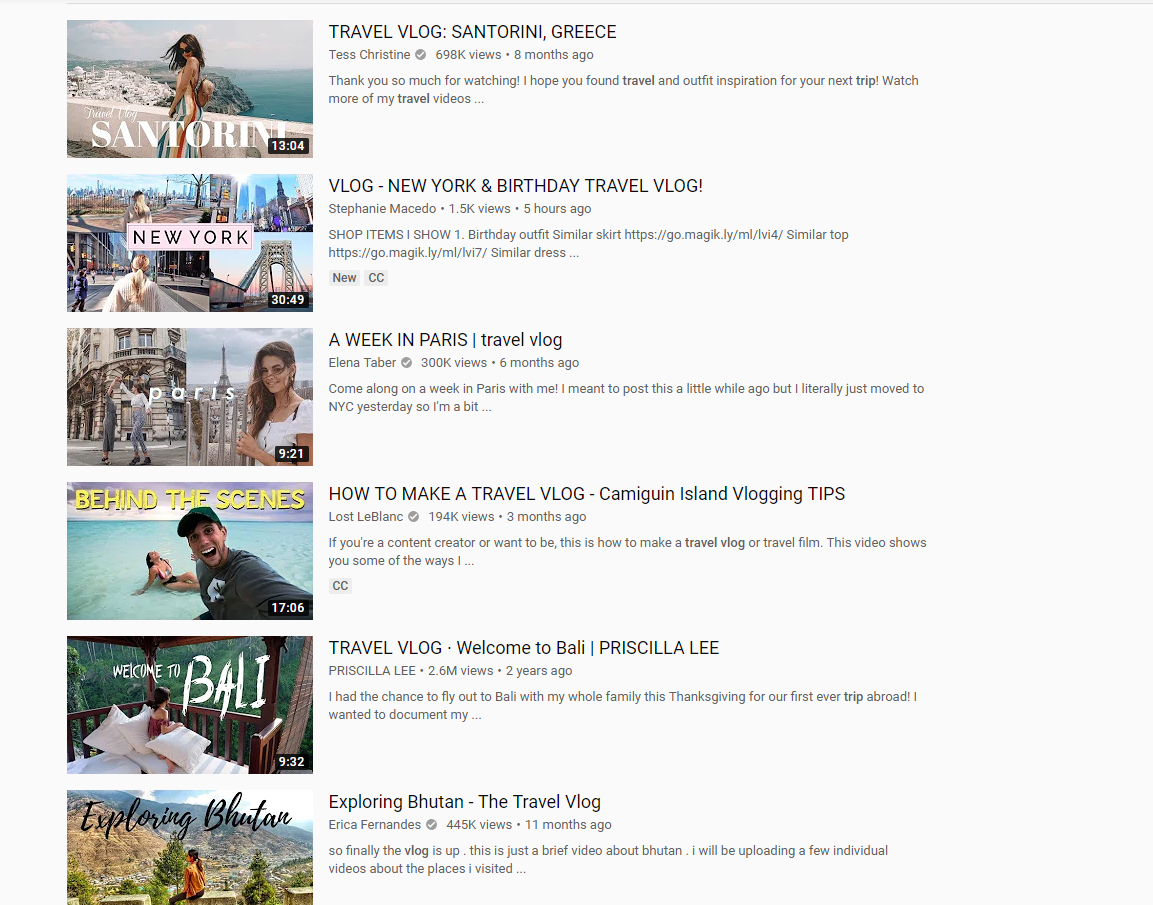
“Clearly we have an appetite for imagery, and it’s influencing our travel decisions”– (Miller, 2017, para. 3)
This change in industry has, therefore, shaped the travel sector by converging into the digital atmosphere such as creating online strategies to fit the interests of modern travellers. Jashi (2013), argues that the industry is making use of the new media in order to engage customer personally, almost 60% of travel companies plan to increase their digital marketing budget in order to develop their business. These travel companies would have to consider the online engagement process in regards to attaining customer loyalty by distributing relevant content to their own media platforms.
User-generated Content
In terms of the significance of post-travel experiences online, it is a form of participatory culture in the world of media ecology, where participatory culture is a term used to label the ‘…involvement of users, audiences, consumers and fans in the creation of culture and content” (Fuchs, 2014). Regarding the travel sector, having a space that allows people to collect online inputs from travellers creates a culture of reviews and recommendations.
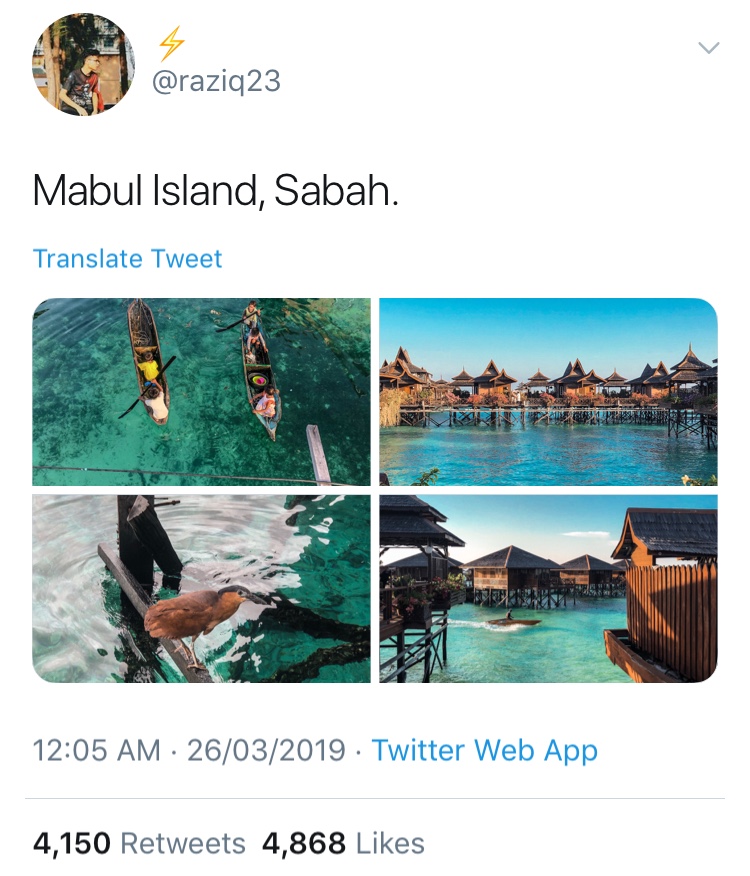
Shirky (as cited in Fuchs, 2014) believes that social media affords users to design new kinds of participation and sharing. Furthermore, it generates collaborations through online communities (e.g. Facebook and TripAdvisor), media sharing sites (e.g. Youtube and Instagram), as well as sharing and searching travel experiences through blogs and mircroblogs (e.g. Twitter and Blogger) (Leung, Law, Hoof & Buhalis, 2013). The tourism industry today has to shift their view and approach towards online consumer behaviour and create strategic online company presence to facilitate engagement with consumers.
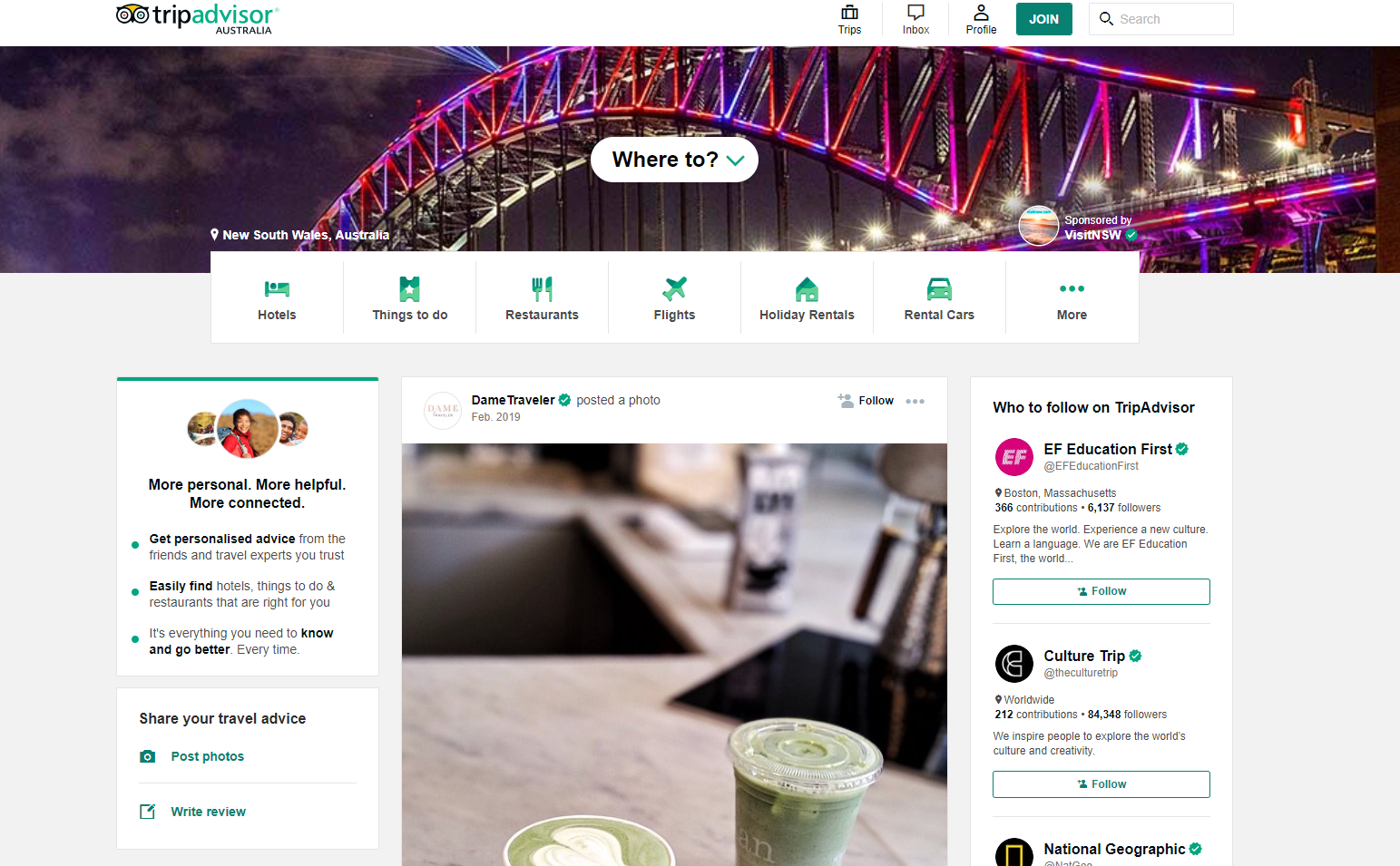
For instance, a case study by Miguéns, Baggio and Costa (2008) of the online travel platform ,TripAdvisor , analysed that it is one of the largest travel networking site on web 2.0. This platform is a space where most of the information posted is autonomously generated by its users, be it reviews, comments or even ratings on a particular destination. The study shows that the sharing of information in TripAdvisor aids in creating more travel demands. Many hotel managers utilise these online activities and actually improved the business as a whole. This is because the effect of customer influence and its value heavily impacts the developing businesses in the travel industry.
as cited in Barrie, 2015
The site is now so big that its reviews can shift the tourist economies of entire countries, Vanderbilt says.
By posting recommendations and reviews, it can be considered as a spreadable media where consumers advocate for materials which are personally and socially meaningful to them (Jenkins as cited in Fuchs, 2014). Contents that are spreadable can expose and attract even more consumers to have the inspiration to travel. This demonstrates how prevailing user-generated content is in travel decisions process, as it can assist in providing valuable insights of the various types of activities and destinations that are trending among users (Brown, n.d.).
Reshaping Travel Agencies
There are a few main changes in the employment shift of this sector, firstly it would be the modes of agency practices followed by the notion of sharing economy in terms of using audiences or users as means of expanding the business.
Although the travel agency model has been reconfigured by social media, they are still responsible for airline, cruise and package bookings. As they adapt to the new technology and market trends, Carnoy (2017) states that many agencies have shifted their focus from “… in person to online experiences”. To illustrate, agents have been working with travelers from the generation of millennial which emphasises on their “experiences over materials” that helps create lasting memories (Carnoy, 2017). In this case, millennials are attracted to travel experiences and destinations that can help them inspire what seems to be a great Instagram post. Travel marketers have then become more digitilised and tech savvy to these fragmented audiences. With this, the tourism marketing sector needs to be aware of the thrive and change on ‘immediacy, engagement and authentic responses’ in order to manage social pressures on key resources (Olenski, 2014).
Social media has also influenced the formation of hybrid economy in the travel industry. According to Lessig (as cited in Graham, 2019), a hybrid economy consists of commercial entities leveraging the value of a sharing economy with an aim to build and support its goals, through the exploitation of the online users’ willingness in contributing something for free. Regardless of how small the network can be, these non-paid contributors have their own social networks with interconnecting relations (ISED Solutions, 2018). This is because current marketing schemes are more about being discovered by customers, therefore, content management strategies should encourage and utilise contents posted by media users while also curating own original contents (Hospitality Net, 2015).
References
Barrie, J. (2015). TripAdvisor reviews are now so powerful they impact the tourist industry of entire countires. Retrieved from https://www.businessinsider.com.au/tripadvisor-affects-tourism-of-entire-countries-2015-3?r=US&IR=T
Brown, R. (n.d.). The Impact of Social Media on Travel Inspiration. Retrieved from http://www.olapic.com/resources/the-impact-of-social-media-on-travel-inspiration_blog-p1aw-f1tr-v1th-t1sm/
Carnoy, J. (2017). 5 ways Social Media Has Transformed to Tourism Marketing. Retrieved from https://www.entrepreneur.com/article/286408
Deuze, M. (2011). Media Life. Media, Culture & Society, 33(1), 137-148. doi: 10.1177/0163443710386518
Fuchs, C. (2014). Social Media as Participatory Culture. Social Media: A critical Introduction (pp. 52-68). London: SAGE Publications Ltd.
Graham, T. (2019). KCB206 Social Media, Self and Society: Lectorial 2 [Lecture notes]. Retrieved from https://blackboard.qut.edu.au/webapps/blackboard/content/listContent.jsp?course_id=_142802_1&content_id=_7846358_1
Hospitality Net. (2015). The Impact of Social Media on the Tourism Industry. Retrieved from https://www.hospitalitynet.org/news/4071855.html
ISED Solutions. (2018). The Benefits of Social Media in Promoting Tourism. Retrieved from https://isedsolutions.org/2018/08/17/the-benefits-of-social-media-in-promoting-tourism/
Jashi, C. (2013). Significance of Social Media Marketing in Tourism. 8th Silk Road International Conference “Development of Tourism in Black and Caspian Seas Regions” (pp. 37-40). Batumi, GEORGIA: Tbilisi.
Leung, D., Law, R., Hoof, H. V. & Buhalis, D. (2013). Social Media In Tourism and Hospitality: A Literature Review. Journal of Travel & Tourism Marketing, 30(3), 3-22. doi:10.1080/10548408.2013.750919
Miguéns, J., Baggio, R. & Costa, C. (2008). Social media and Tourism Destinations: TripAdvisor Case Study. Retrieved from https://www.iby.it/turismo/papers/baggio-aveiro2.pdf
Miller, C. (2017). How Instagram Is Changing Travel. Retrieved from https://www.nationalgeographic.com/travel/travel-interests/arts-and-culture/how-instagram-is-changing-travel/
Olenski, S. (2014). The Impact of Social Media In the Travel Marketing Industry. Retrieved from https://www.forbes.com/sites/steveolenski/2014/02/07/the-impact-of-social-media-in-the-travel-marketing-industry/#504507cc2ad3
 KCB206 Assessment 3